Recent Searches



When the EY Foundation first looked at AI and social mobility nearly two years ago, we saw its potential to widen access to learning, careers advice and employment, alongside risks that unequal access and existing inequalities could be reinforced. AI is now part of how many young people study, explore careers and apply for jobs, while schools, employers and policymakers are at different stages in deciding how it should be used and what support young people need.
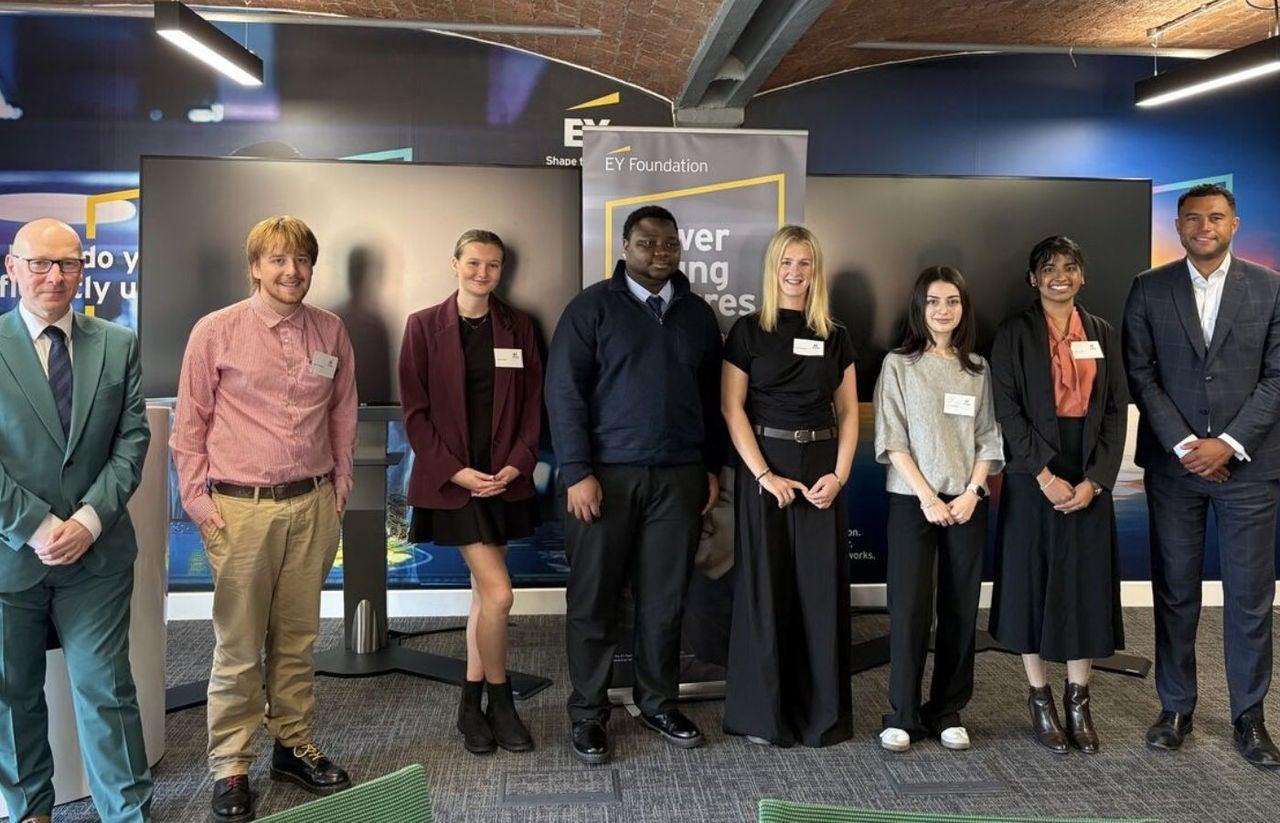
Our ‘Generation AI’ roundtable at the Labour Party Conference brought young people together with MPs and organisations working across education, skills and employment to hear how AI is affecting their lives. At the start and end of the session, we asked whether people felt optimistic that it could create more opportunities for young people from low-income backgrounds. Views shifted in both directions as young people shared where AI is already helping them and the barriers it has yet to overcome.The polling results come at a time when government has put AI at the heart of its plans for economic growth. The AI Opportunities Action Plan sets out an ambition to accelerate adoption across the UK, boost productivity, create jobs and improve public services. The decision to give the Minister for AI a seat at the Cabinet table is also a welcome signal of the importance government places on AI and recognition that its impact cuts across government, from education to employment.
That matters at a time when more than one million young people are not in education, employment or training. AI is developing against that backdrop, with the potential to reshape jobs, the skills employers need, and the way people enter the labour market. While AI could create new opportunities, there is also a risk that these changes reinforce existing inequalities if young people from low-income backgrounds are not able to benefit equally. Our polling suggests MPs see the potential for AI to have a positive impact; the question is how we realise it.
Building confidence and judgement with AI
Young people described using AI to explore careers they had not encountered through school or existing networks. One participant entered their interests into an AI tool to investigate possible careers and found local opportunities connected to them. Others spoke about using it to practice interviews, improve applications, get feedback on academic work and identify skills they might need to develop. For young people without access to tutors, personalised careers advice or wider support, these tools can open up sources of help that might otherwise be difficult to reach. Their experiences also showed that getting value from AI depends on having the confidence to use it and the judgement to know how far to trust what it produces.
Making effective use of these tools requires skills that cannot be assumed. Critical thinking came up repeatedly, from checking sources and recognising inaccurate information to questioning the assumptions behind an answer. Participants were concerned about relying on AI to formulate responses and what this could mean for their ability to develop and articulate their own views. They also recognised that AI can follow the premise of a question and reinforce the user’s existing position, making the ability to challenge its response as important as knowing how to prompt it.
This emphasis on judgement is reflected in Skills England’s Employability Skills Framework, which highlights the importance of testing AI outputs and applying human judgement. Young people need opportunities to develop those capabilities through practice and discussion about the limitations of the tools they are using.
The support available to do this varies considerably with some participants being told not to use AI in education, while others were encouraged to use it in assignments and had received workshops on prompting and responsible use. As they move towards employment, they may encounter organisations that expect them to use AI confidently from the outset. Familiarity with technology should not be mistaken for having the judgement and confidence needed to use it well.
Access to advice is not the same as access to opportunity
One young person described the difficulty of putting AI’s advice into practice. An AI tool might identify skills someone needs to develop, but finding the work experience, training or other opportunity to build them can still be difficult: "It can tell you, but it can't give it to you." Even with AI's advice, young people may struggle to find suitable jobs, training or work experience close to home, espeically if they cannot afford to move or have responsbilities that mean they need to stay where they are. Paid AI services could introduce another disparity if some young people can access more sophisticated support than others.
Young people also described using AI for advice about difficult situations and relationships, sometimes almost as a “trusted adult”. While this can provide support where there is a gap, they did not want technology to replace contact with people. Teachers, managers, advisers and other trusted adults can offer context, encouragement and knowledge of an individual’s circumstances that an AI tool does not have.
Participants also questioned what happens when a job application prepared with one AI system is assessed by another. They raised concerns about whether applicants know how AI has influenced a recruitment decision and whether employers understand how their use of these tools could affect candidates from different backgrounds accessing opportunities.
Young people need a voice in how AI is used
Participants felt that decisions about AI and young people should not be made without them. As one young person observed, something has gone wrong if policymakers are discussing AI’s effect on young people without a young person in the room. Meaningful involvement means creating opportunities for young people to shape priorities and challenge assumptions while approaches are still being developed, rather than asking for their views after the main decisions have been taken.
Nana, one of the EY Foundation’s Youth Voice Forum members, reflected on what meaningful involvement looks like from a young person’s perspective:
“Policymakers are increasingly seeking the perspectives of young people on policy issues that affect them. This is a step in the right direction. However, being consulted does not necessarily mean our input has shaped a policy outcome or decision.
Showing young people where and how their ideas have fed into decisions helps demonstrate the difference their involvement has made. For example, policymakers could explain which ideas they plan to take forward and how they will be used. This would help show that young people’s involvement goes beyond consultation and has a meaningful role in shaping decisions.”
Nearly two years on from our first report, young people’s experiences of learning, seeking careers advice and applying for jobs are showing us how the opportunities and risks we identified are playing out as they move through education and towards work. Their accounts highlight how much AI’s effect on social mobility depends on the way it is used, the opportunities young people can access with its support and their involvement in decisions about its use.