Recent Searches
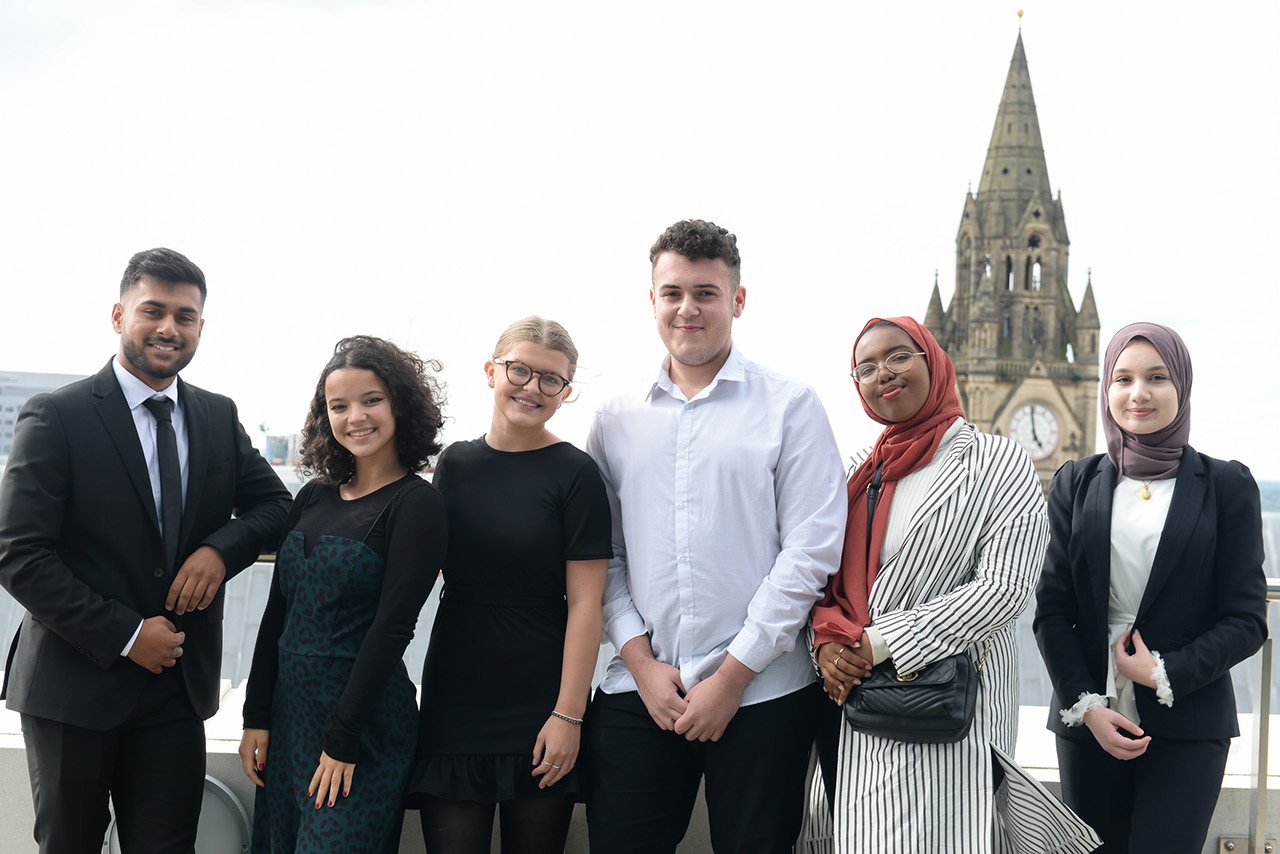
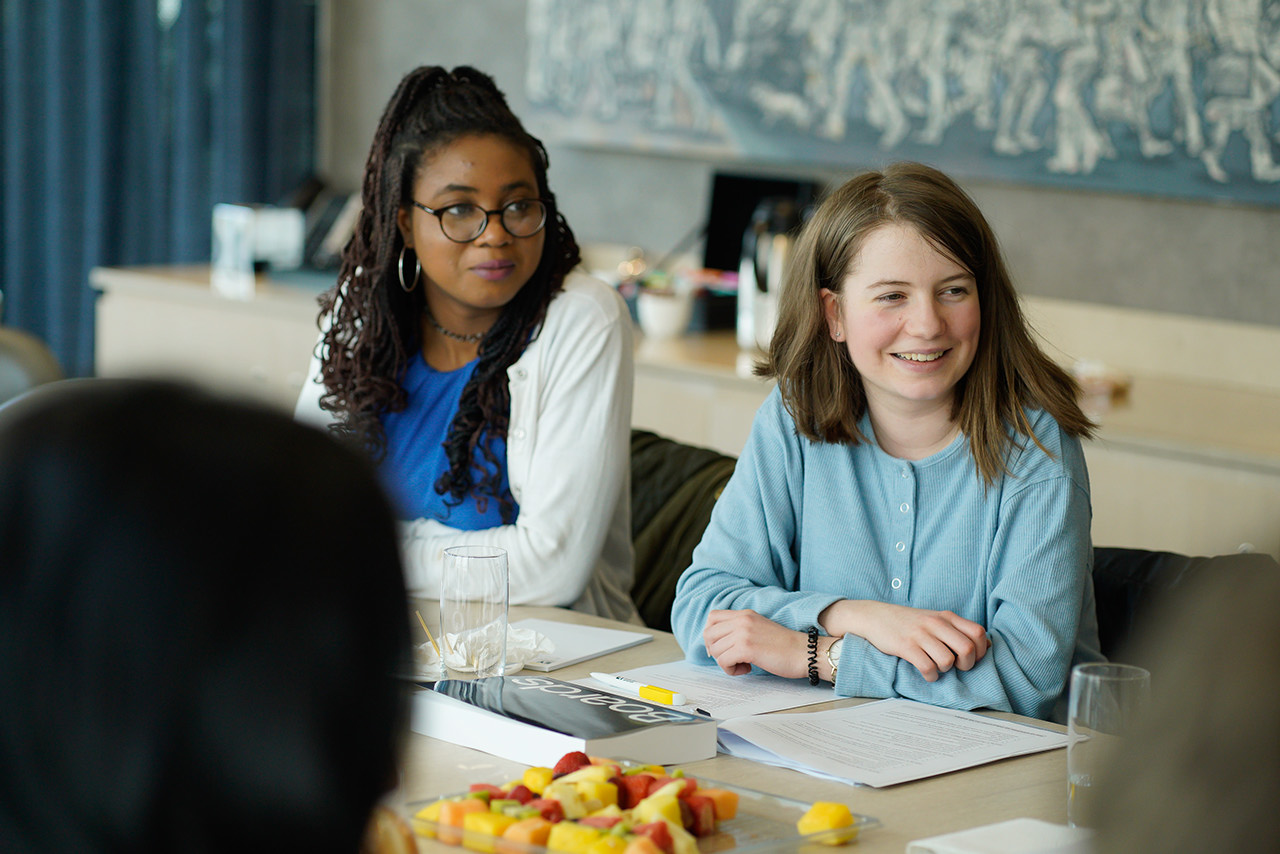

Hilti Great Britain has been working with the EY Foundation to engage young people earlier in their careers, introduce them to opportunities in construction and create meaningful social impact.
We spoke to Kim Kerr, Head of People Experience, and Victoria Alekseeva, Talent Attraction Specialist, from Hilti about how their approach to social mobility and work experience has evolved, the impact they have seen on young people, and why their advice to other employers is simple: just get started.
1. What motivated you to work with the EY Foundation?
Kim: We have worked heavily with universities in the past, but we wanted to engage young people earlier in their careers. Knowing how to do that and which organisations to work with can be difficult because it feels like this big, vast network. Where do you even start?
One of our colleagues attended an event where she heard about the EY Foundation and came back saying: “You need to meet them. They’re exactly the type of organisation we could work with.”
The EY Foundation was really flexible in saying, “Let’s just try some things and see how it works", which made it easy for us to get started and build the relationship from there. It means we can talk to young people at a stage where they haven’t necessarily made firm career choices and show them what’s possible in the construction industry.
Beyond that, we really want to have a social impact. Giving back and social responsibility have always been part of Hilti’s ethos.
2. What did you go on to do with us?
Kim: Everyone at Hilti has at least one day of paid volunteering, and that’s where we started. The EY Foundation came into the office to talk about its work and opportunities to get involved, and we encouraged our team to sign up.
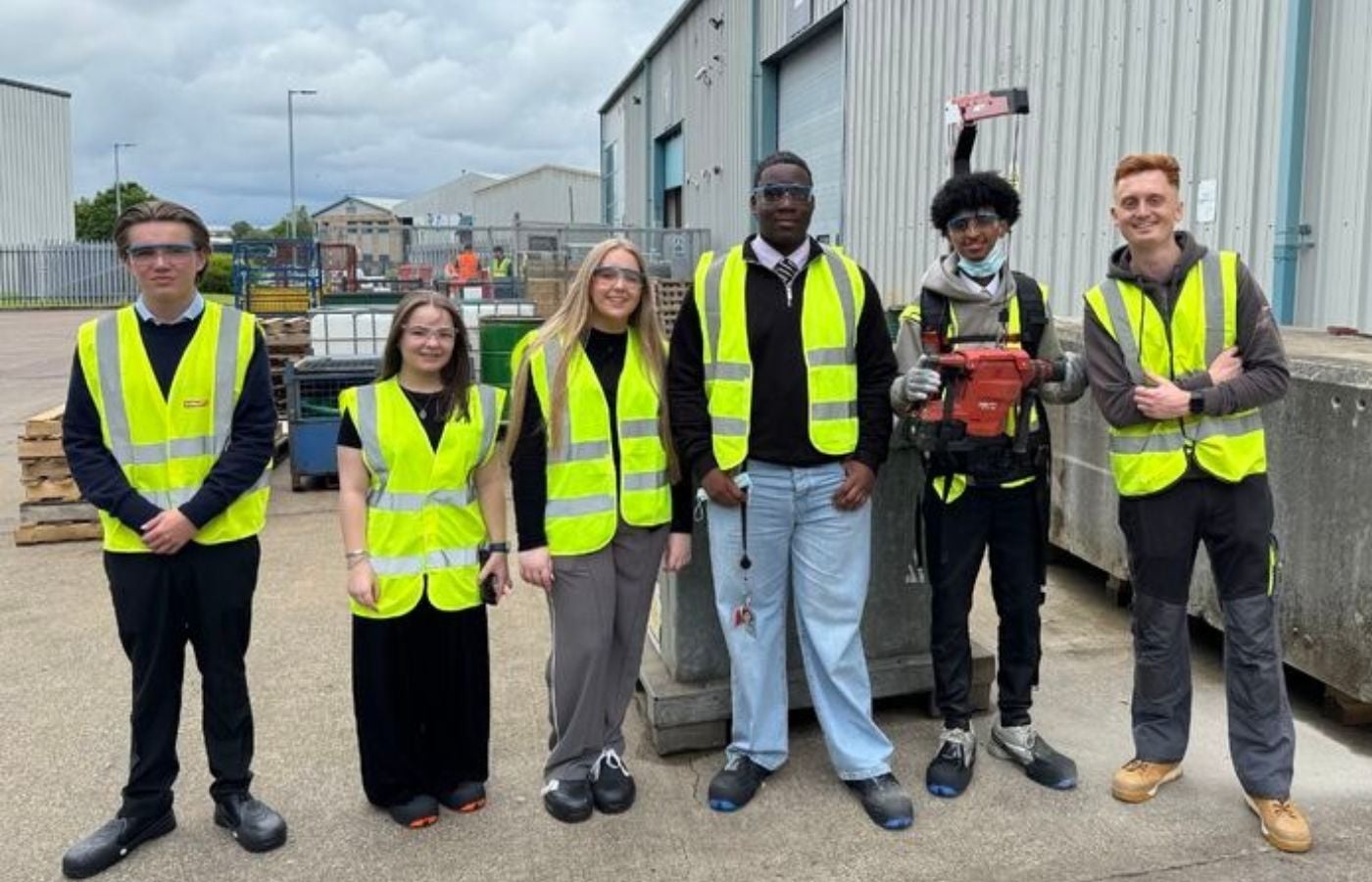
What’s been really nice to see is the way the relationship has organically developed. For example, the EY Foundation joined our International Women’s Day event, where our Head of Tool Service Repair Centres heard about the organisation and asked how he could get involved. That led to an event at our Tool Service Centre near Glasgow in June, where we welcomed 32 young people from the local area. Supported by volunteers from across Hilti, they explored different functions within the centre, took part in hands-on activities and employability sessions, and gained insight into different career opportunities and the world of work.
That’s what we want to continue. We spot opportunities, maybe we have an idea or there’s a need at the EY Foundation, and we find different ways of working together more closely.
The EY Foundation was really flexible in saying, “Let’s just try some things and see how it works", which made it easy for us to get started and build the relationship from there.
3. What else do you do to be a youth-friendly employer and drive social mobility?
Victoria: Alongside our work with the EY Foundation, we’ve built a strong relationship with Hulme Grammar School in Oldham, an area with high levels of deprivation. We provide career events, volunteering days, projects and work placements for young people who may face barriers to opportunity, showing them what different career paths are available.
We’ve hosted two work placements this year. The first gave three young people an overview of Hilti, spending time with teams across logistics, engineering and marketing. For the second, we knew the young person was interested in becoming a lawyer, so she spent a full week with our legal teams, experiencing different areas of corporate law, including supporting customers and meeting our Regional Head of Legal and Compliance. It was about showing her what that career could look like and how far she could go.
We’ve also recently started piloting a fire protection degree apprenticeship, our first degree apprenticeship for external candidates, which is really exciting for us. We want to show the business how important this is and how bright, talented and motivated these young people are, and hopefully expand it into other departments.
For me, a big part of this is engaging our own people. We cannot do it just as an HR team. When our people volunteer their time to meet young people, show them what different careers exist and provide mentorship and insight, I believe that helps break down barriers and drive social mobility.
4. How has your approach to work experience changed?
Victoria: Previously, work experience was quite ad hoc. An employee might have a child, family member or friend who needed a placement and reach out to somebody in the business.
Now we’re taking a much more formal approach and thinking about what young people are interested in, who they should meet and what experiences we can provide.
It's about showing young people what's possible and helping them gain clarity about the opportunities available to them, whether that confirms a path they want to pursue or helps them recognise one that isn't the right fit.
Kim: We used to think we didn’t have the bandwidth. It takes planning, and the person hosting is thinking: “How do I get my job done and also give this young person a good experience?”
But it hasn’t been as difficult as we expected. Once you have a format for what a great week looks like in legal or engineering, you can run it again. The people hosting often come away saying they really enjoyed the experience, took a lot from it and would happily do it again.
I’m sure many employers are like we were, thinking: “We want to do more, but it feels a bit too hard.” You don’t realise what’s possible until you start doing it more proactively.
When our people volunteer their time to meet young people, show them what different careers exist and provide mentorship and insight, I believe that helps break down barriers and drive social mobility.
5. Is there a moment that stands out where you felt your organisation made a real difference to a young person(s)?
Victoria: During a placement we hosted for six EY Foundation young people, one young person came in not knowing what he wanted to do. He was considering everything from university and apprenticeships to going straight into work or taking a gap year.
On his final day with us, he spent time with different engineering teams. At the end, he came up to me and said: “I am definitely going to become an engineer. This was so exciting. I absolutely loved it.”
For me, that was a real impact. He had gone from not knowing what he was going to do to saying: “This is super exciting. This is what I want to explore further.”
More broadly, we saw how quickly the young people gained confidence. Some started the programme quite shy, but soon began showing their personalities, asking questions and engaging in conversations with very senior people across the business. It was really rewarding to see that we had created a safe environment where they felt able to be themselves and ask those questions.
6. What does a supportive environment for young people look like?
Victoria: For me, it’s about the culture we already have at Hilti. It’s not about creating a new strategy for how we treat young people when they come in. It’s about how we treat each other every day. We challenge each other, have each other’s backs and provide support. It’s about channelling that culture towards young people coming into the organisation and allowing them to be who they are, ask questions and get as much as possible from the experience.
Kim: This is the next generation coming in, and we need to learn and adapt from them too. This is the workforce of the future, so it’s on us to stay relevant, stay connected and listen to their questions.
One young person came in not knowing what he wanted to do ... At the end, he came up to me and said: “I am definitely going to become an engineer. This was so exciting. I absolutely loved it.” For me, that was a real impact.
7. What business benefits have you seen from supporting social mobility, and what advice would you give to organisations starting their own journey?
Kim: The benefits to our business are endless. Our people want to give back but don't always know how, and this gives them meaningful opportunities to use their skills through work experience, interview workshops, CV support and other forms of skills-based volunteering.
It's also a valuable way for us to engage with a diverse future talent pipeline. Construction isn't always the first career choice young people consider, so it's important that we help them understand the range of opportunities available across the industry and the fabulous organisations they could work for.
That's exactly what we want, because we know diversity leads to stronger decision-making, better ideas and greater innovation. Our own experience, supported by both internal and external research, shows that our business performs better when we have a diverse workforce. So for us, it's a real win-win.
We've also learnt the importance of quality over quantity. Rather than building lots of relationships, we've focused on investing in the right partnerships, deepening those connections and creating as much impact as possible. Working with the EY Foundation, there has never been any pressure, and the partnership has grown naturally and collaboratively over time.
My biggest piece of advice is simply to get started. It can feel overwhelming at first. Where do you begin? So just get started, have a conversation, take an opportunity and you never know where it might lead.
Our own experience, supported by both internal and external research, shows that our business performs better when we have a diverse workforce. So for us, it's a real win-win ... My biggest piece of advice is simply to get started.
If you're an employer looking to start your social mobility journey or explore how your business can benefit from diverse talent, learn more and get in touch today.